
Dental Health · 3 min read
Afraid of a Root Canal? What Really Happens, Step by Step
November 13, 2026
Written by the Mid-Wilshire Dental Care team
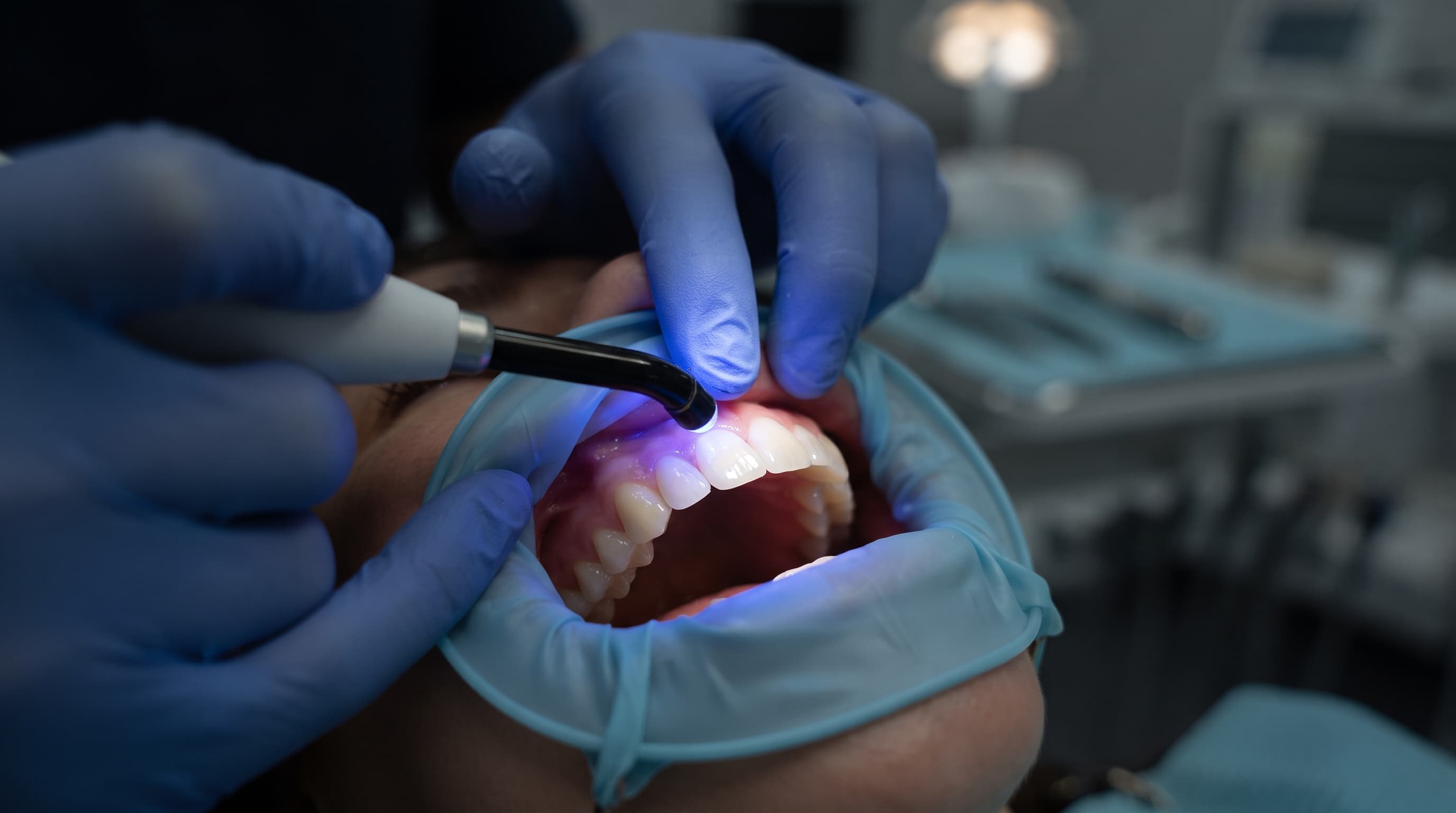
Few dental words make people wince like "root canal." The reputation is mostly out of date. In practice, a root canal is usually what ends the throbbing pain of an infected tooth, and it lets you keep a tooth you would otherwise lose. Most of the fear comes from not knowing what actually happens in the chair, so let's walk through it.
Why Would I Need a Root Canal?
Inside every tooth is the pulp, a soft tissue with nerves and blood vessels. Deep decay, a crack, or an old large filling can let bacteria reach it. Once the pulp is infected or badly inflamed it cannot heal on its own. Common signs include:
- A lingering toothache, or pain when you bite
- Sensitivity to hot or cold that lasts after the food or drink is gone
- Swelling or a small bump on the gum near the tooth
- A tooth that has darkened
Sometimes there are no symptoms at all and the problem shows up on an X-ray. Our article on tooth nerve pain vs. sensitivity explains how to tell the difference.
What Happens During the Treatment
- Numbing. The area is numbed with local anesthesia. You should feel pressure, not sharp pain.
- Isolation. A small rubber sheet keeps the tooth clean and dry and stops water from running into your mouth.
- Cleaning the canals. A small opening is made in the tooth, and the infected pulp is removed. The canals are cleaned and shaped.
- Sealing. The canals are filled with a rubber-like material and the opening is sealed.
- Protecting the tooth. Back teeth in particular often need a crown afterwards, because a treated tooth can become brittle.
Many root canals are finished in one or two visits, depending on the tooth and the infection.
Does a Root Canal Hurt?
With modern numbing, most patients describe the procedure as similar to having a filling. The pain people associate with root canals usually comes from the infection beforehand, and treatment relieves it. Some tenderness for a few days afterwards is normal and is usually managed with over-the-counter pain relievers, as your dentist advises.
Is Sedation an Option for a Root Canal?
Yes, for many patients. Our office offers oral sedation, a medication taken before the visit that helps you feel calm and relaxed while the tooth is numbed as usual. We review your health history first to make sure it is safe for you, and you will need someone to drive you home. Our guide to oral vs. IV sedation explains the difference between the two.
Other things that help: telling us you are anxious, agreeing on a signal to pause, and bringing headphones.
What If I Wait?
An infected tooth does not heal by itself. Waiting can let the infection spread to the bone and gums, and a tooth that could have been saved may then need to be extracted. Call right away if you have facial swelling, and go to an emergency room or call 911 if swelling makes it hard to breathe or swallow.
Get the Tooth Checked
A tooth that hurts when you bite, or keeps you up at night, is worth a phone call rather than a wait-and-see. We offer same-day visits when the schedule allows; call (310) 731-6119 and describe what you are feeling. You can also read how we approach root canal treatment before you come in.
Only an exam and an X-ray can tell whether your tooth needs a root canal.