
Gum Care & Periodontics
Expert Gum Grafting & Recession Treatment at Mid-Wilshire Dental Care
Fix receding gums and cover exposed roots with soft-tissue grafting from a Los Angeles periodontist. Connective-tissue and pinhole techniques.
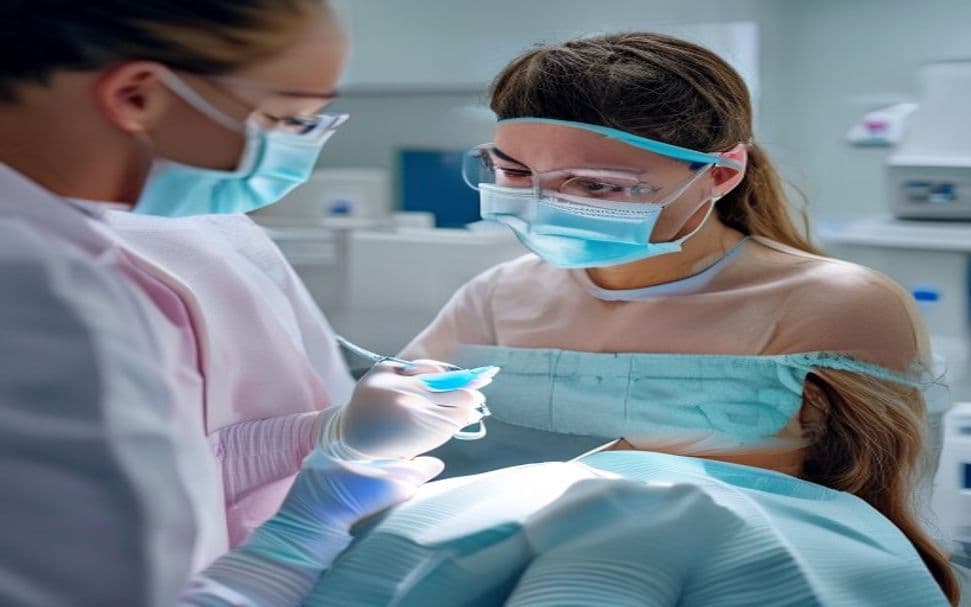
Gum Grafting for Receding Gums in Los Angeles
Receding gums expose the root surface of your teeth. That surface is softer than enamel, more sensitive to hot and cold, and much more vulnerable to decay. Left alone, recession keeps progressing until the tooth is at risk. Gum grafting stops the recession, restores the tissue, and covers the exposed root.
Recession has a few common causes: aggressive brushing over years, orthodontic movement that pushed teeth outside the bone envelope, thin biotype tissue you were born with, and untreated gum disease. Some of these are worth correcting before the graft; others are just what happens with time. During your consult we'll figure out which factors are at play and plan accordingly.
The modern gold standard is the connective-tissue graft — a small piece of tissue from the roof of your mouth or from a donor source, placed under the recessed gum to add thickness and height. Newer techniques like the pinhole surgical technique can address multiple teeth at once with less discomfort in the right cases. Dr. Afar does both and will recommend the approach that fits your anatomy, not the one that fits a marketing brochure.
Recovery is usually 7–10 days of a soft diet and gentle rinsing. Sutures come out at two weeks. Most patients return to normal chewing within three weeks and see the full aesthetic result at 3–6 months once the tissue has fully matured.
What's Included
- Connective-tissue grafting (the gold-standard technique)
- Pinhole surgical technique for multiple teeth in one visit
- Free gingival grafts to thicken thin tissue
- Sedation available for anxious patients
- Same office handles pre-op, procedure, and follow-up
Frequently Asked Questions
How do I know if I need a gum graft?
Is gum grafting painful?
How much does gum grafting cost?
Will the grafted tissue look natural?
How long do gum grafts last?
Articles & Insights
Read more about Gum Grafting
Dive deeper into specific aspects of gum grafting written by our team.
Ready to Get Started?
Schedule a consultation for gum grafting and we will walk you through the options, the timing, and the next step for your case.