
Dental Health · 4 min read
Emergency Dental Care When You Need Immediate Relief
November 4, 2026
Medically reviewed by Dr. Bijan Afar, DDS, MS — Periodontist & Oral Implantologist
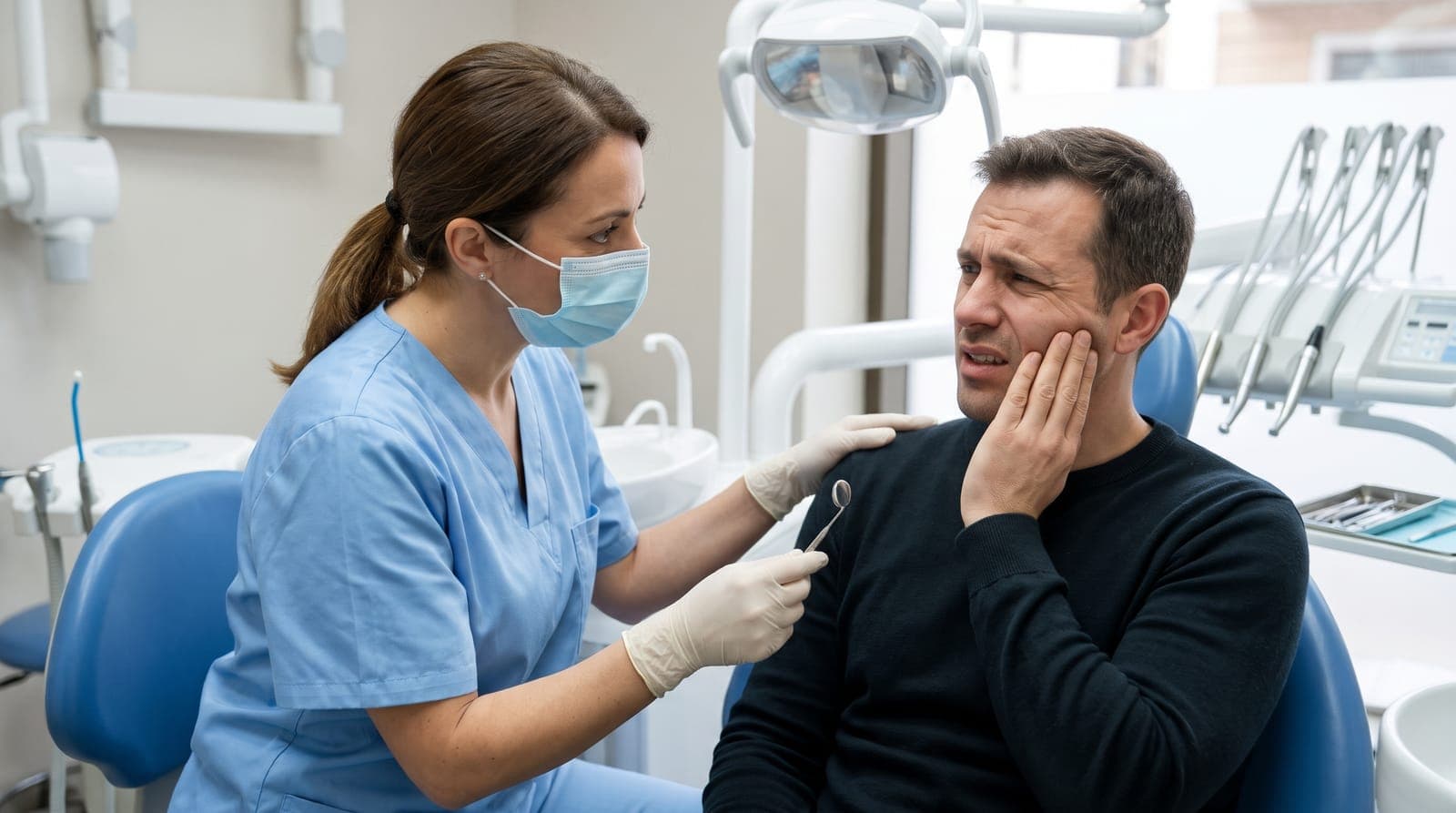
Dental emergencies can happen unexpectedly, causing pain, discomfort, and uncertainty about what to do next. Whether you experience a severe toothache, a broken tooth, or an unexpected dental injury, receiving professional Emergency Dental Care can help identify the problem and determine the appropriate treatment.
Professional Emergency Dental Care services focus on evaluating urgent dental concerns, relieving discomfort when possible, and addressing conditions that may threaten your oral health. Recognizing the warning signs of a dental emergency can help you seek appropriate care before complications develop.
Recognize the Signs of a Dental Emergency
Not every dental problem requires immediate treatment, but certain symptoms should never be ignored. Severe or persistent tooth pain, uncontrolled bleeding, significant swelling, and dental injuries may indicate a condition that needs urgent professional attention.
Common dental emergencies include:
- Severe toothaches or sudden dental pain
- Broken, cracked, or knocked-out teeth
- Dental abscesses and suspected infections
- Lost restorations accompanied by significant discomfort
- Injuries affecting the teeth, gums, or surrounding tissues
Difficulty breathing or swallowing, rapidly spreading facial swelling, or bleeding that cannot be controlled requires emergency medical attention.
Find Relief From Severe Tooth Pain
Intense tooth pain can result from deep decay, infection, dental trauma, or inflammation inside the tooth. Because different conditions can produce similar symptoms, identifying the underlying cause is essential.
During an emergency dental evaluation, the dentist may examine the affected area and recommend diagnostic imaging when appropriate.
Treatment options may include a filling, root canal therapy, drainage of an infection, or extraction when a tooth cannot be preserved. The recommended approach depends on the diagnosis.
Protect Damaged or Knocked-Out Teeth
Dental injuries require careful attention because the actions taken immediately afterward can influence treatment outcomes.
If a permanent tooth is completely knocked out, hold it by the crown rather than the root. If visibly dirty, gently rinse it with milk, saline, or a brief stream of water without scrubbing. Reinsert it into the socket only if it can be done safely; otherwise, keep it moist in milk or an appropriate tooth preservation solution and seek emergency dental treatment immediately.
Never attempt to reinsert a knocked-out baby tooth.
Understand Your Emergency Treatment Options
Emergency dental treatment depends on the severity of the condition and the health of the affected tooth.
A dentist may recommend repairing a damaged restoration, stabilizing an injured tooth, treating an infection, or providing other appropriate procedures. In some situations, initial treatment focuses on managing the urgent concern before additional restorative care is completed.
Prompt professional evaluation helps determine the safest and most suitable next steps.
Frequently Asked Questions
When should I seek Emergency Dental Care?
Seek urgent dental evaluation for severe tooth pain, a knocked-out permanent tooth, significant dental trauma, suspected dental infection, or other symptoms that cannot safely wait for a routine appointment. Difficulty breathing or swallowing requires emergency medical care.
Can Emergency Dental Care help with a severe toothache?
Yes. Emergency Dental Care can help identify the cause of severe tooth pain and provide appropriate treatment. Relief depends on the underlying condition and the procedures required.
What should I do if I break a tooth?
Rinse your mouth gently with water, avoid chewing on the affected side, and contact a dentist promptly. If possible, save any broken tooth fragments and bring them to your appointment.
Is a dental abscess considered an emergency?
A suspected dental abscess requires prompt professional evaluation because infection can spread. Fever, facial swelling, or worsening pain are important warning signs. Difficulty breathing or swallowing requires immediate emergency medical attention.
What can I do while waiting for emergency dental treatment?
Depending on the problem, gently rinsing with warm salt water, applying a cold compress externally, and using an over-the-counter pain reliever according to its label may help temporarily. Avoid placing aspirin directly against the gums, and do not delay urgent evaluation.
Get Professional Attention for Urgent Dental Problems
Dental pain and injuries can disrupt your daily routine and may indicate conditions requiring prompt treatment. Professional Emergency Dental Care helps identify urgent oral health concerns and determine appropriate steps to relieve discomfort, manage infection, and protect affected teeth.
Explore Emergency Dental Care services to learn about available treatment options and seek professional attention when unexpected dental problems arise.