
Dental Services · 7 min read
Dental Implants: A Stable, Natural-Looking Way to Replace Missing Teeth
November 7, 2026
Medically reviewed by Dr. Bijan Afar, DDS, MS — Periodontist & Oral Implantologist
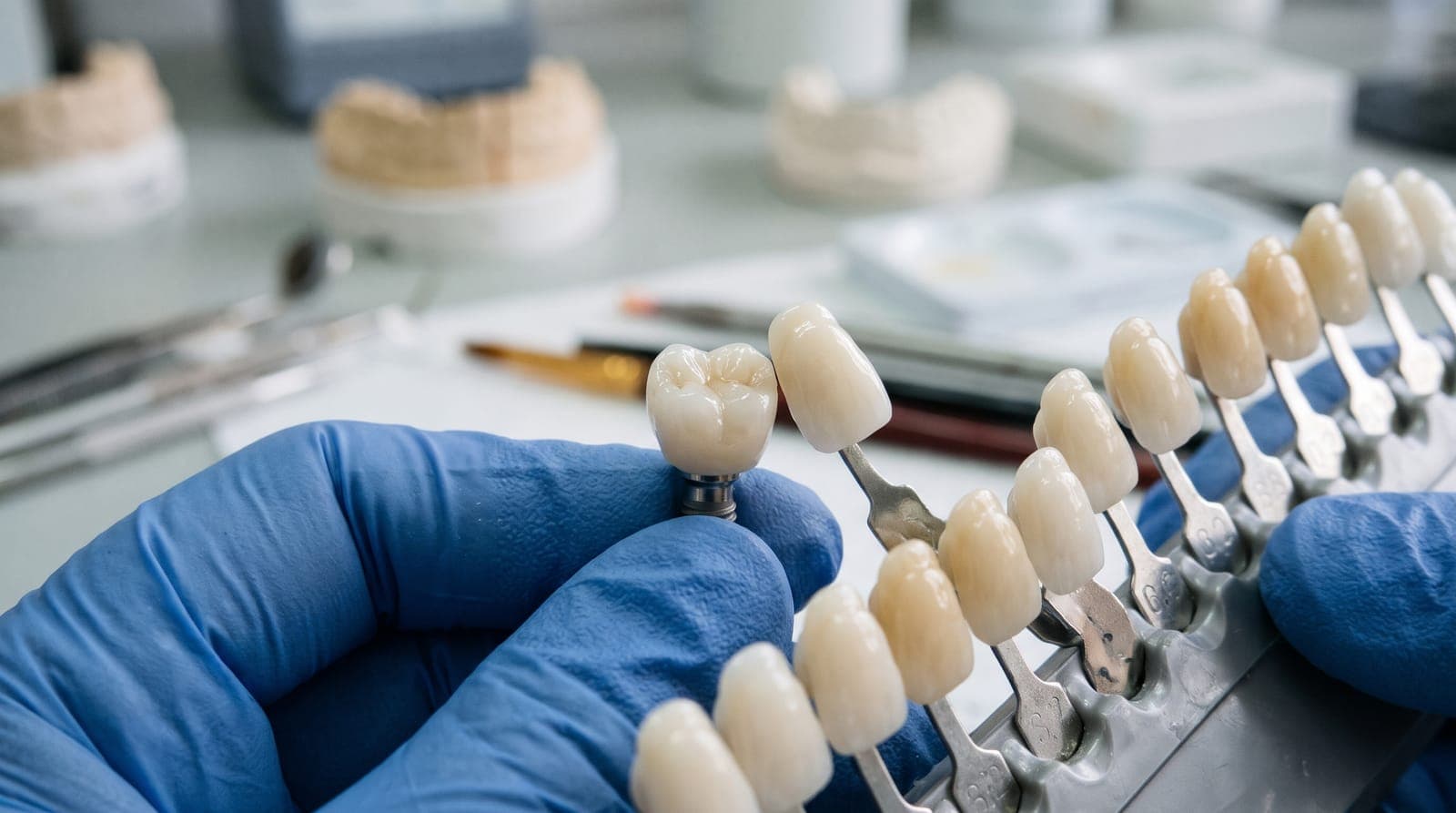
Missing teeth can affect more than your smile. They may change the way you chew, speak, and feel about your appearance. Professional Dental Implants offer a modern tooth replacement solution designed to restore functionality and create a natural-looking smile. Expert Dental Implants services focus on replacing missing teeth with restorations that complement your natural teeth and support everyday comfort.
Whether you are missing a single tooth or several teeth, dental implant treatment can provide a personalized approach to restoring your smile and oral function.
Restore Your Smile With Natural-Looking Results
Dental implants are designed to support replacement teeth that closely resemble natural teeth in shape, size, and appearance. Custom restorations can be matched to surrounding teeth for a balanced and attractive smile.
Unlike removable tooth replacement options, implant-supported restorations are secured to implants placed in the jawbone, providing a stable foundation for everyday activities.
Why Missing Teeth Can Affect Chewing
Every tooth contributes to the way your mouth processes food. When one or more teeth are missing, chewing forces may become unevenly distributed, and certain foods can become more difficult to manage.
Some patients begin chewing primarily on one side of their mouth, which may place additional demands on remaining teeth. Replacing missing teeth can help restore a more balanced bite and improve everyday eating experiences.
How Dental Implants Provide Stable Support
Dental implants are surgically positioned within the jawbone, where they can integrate with the surrounding bone during healing. Once appropriate stability and healing are achieved, the implants can support custom dental restorations.
Unlike removable appliances that may shift during use, fixed implant-supported restorations are designed to remain securely attached. This stability can help patients chew with greater comfort and control.
Protect Your Remaining Natural Teeth
Replacing missing teeth is an important consideration for maintaining oral function. When gaps remain untreated, nearby teeth may shift over time, potentially affecting alignment and bite relationships.
A single implant-supported crown can replace a missing tooth without requiring neighboring healthy teeth to be reshaped for a conventional dental bridge.
Your dentist can evaluate your bite and recommend the most appropriate restoration for your situation.
Support Jawbone Maintenance After Tooth Loss
When a natural tooth is lost, the surrounding jawbone may gradually decrease in volume because normal stimulation from the tooth root is no longer present.
Dental implants transfer functional forces to the surrounding bone and can help maintain bone in the implant area. However, they do not eliminate all bone changes, and patients with insufficient bone may require additional procedures.
A comprehensive evaluation helps determine whether adequate bone support is available for implant placement.
Why Professional Implant Placement Matters
Successful dental implant treatment requires careful evaluation of the jawbone, surrounding teeth, gum tissues, and overall bite alignment.
Dentists use clinical examinations and appropriate diagnostic imaging to plan implant placement. Proper positioning helps support the final restoration while considering nearby anatomical structures and available bone.
A personalized treatment plan also helps identify whether additional procedures, such as bone grafting, may be necessary before implant placement.
Explore Dental Implant Options for Different Needs
Dental implant treatment is not limited to replacing a single tooth. Depending on your oral condition, implants can support several types of restorations.
Common options include:
- Single Dental Implant: Replaces one missing tooth with an implant-supported crown.
- Implant-Supported Bridge: Replaces multiple missing teeth using implants as supporting anchors.
- Implant-Supported Dentures: Provides additional stability for dentures replacing several or all teeth in an arch.
A comprehensive examination helps determine which option is suitable based on bone availability, gum health, and individual treatment goals.
Maintain Your New Smile With Proper Care
Dental implants require ongoing maintenance to protect the surrounding gums and supporting bone.
Daily brushing, cleaning around implant restorations, and regular professional examinations help reduce plaque accumulation and identify potential complications.
Patients should also follow personalized recommendations regarding bite protection, oral hygiene products, and maintenance appointments to support long-term implant health.
Frequently Asked Questions
What are Dental Implants?
Dental Implants are artificial tooth roots, commonly made from titanium or other biocompatible materials, that are surgically placed in the jawbone to support replacement teeth such as crowns, bridges, or dentures.
How do I know if I am a candidate for Dental Implants?
A dentist evaluates your gum health, jawbone condition, medical history, and overall oral health to determine whether dental implants are suitable for you. Some patients may require additional treatment before implant placement.
Do Dental Implants feel like natural teeth?
Implant-supported teeth can provide stability and chewing function similar to natural teeth, although they do not have the same sensory characteristics as natural tooth roots.
Are Dental Implants more stable than removable dentures?
Fixed implant-supported restorations generally provide greater stability than conventional removable dentures. Implant-retained removable dentures can also offer improved retention compared with traditional dentures.
Does getting Dental Implants require a healing period?
Yes. Healing is generally necessary after implant placement to allow the surrounding tissues and bone to recover. The treatment sequence varies according to individual clinical circumstances.
How long can Dental Implants last?
Dental Implants can last many years with proper care, although no specific lifespan is guaranteed. Implant health, oral hygiene, medical conditions, and professional maintenance all influence long-term outcomes.
What makes Dental Implants different from dental bridges?
Dental implants are supported by artificial roots placed in the jawbone, while traditional dental bridges commonly rely on neighboring teeth for support. The most appropriate treatment depends on individual dental conditions.
Are Dental Implants suitable for replacing front teeth?
Dental implants may be used to replace missing front teeth when clinical conditions are appropriate. Careful planning is especially important to achieve suitable gum contours, positioning, and natural-looking aesthetics.
Rebuild Your Smile With Confidence
Replacing missing teeth can improve your ability to enjoy everyday activities while restoring the appearance of your smile. Professional Dental Implants provide a personalized tooth replacement option that combines stability, functionality, and natural-looking aesthetics.
Explore Dental Implants services to learn about available treatment options and discover whether implant-supported restorations are right for your dental needs.
More on Dental Implants
Dental Services
The Benefits of Replacing Teeth with Dental Implants
Dental Services
Dental Implant Treatment and Its Safety: What You Should Know
Dental Services
All-on-4 Dental Implants: A Full Smile Restoration with Just Four Implants
Dental Services
Immediate Dental Implants in Los Angeles: Restore Your Smile the Same Day