
Dental Health · 3 min read
Treat Dental Emergencies Before They Become More Serious
November 16, 2026
Medically reviewed by Dr. Bijan Afar, DDS, MS — Periodontist & Oral Implantologist
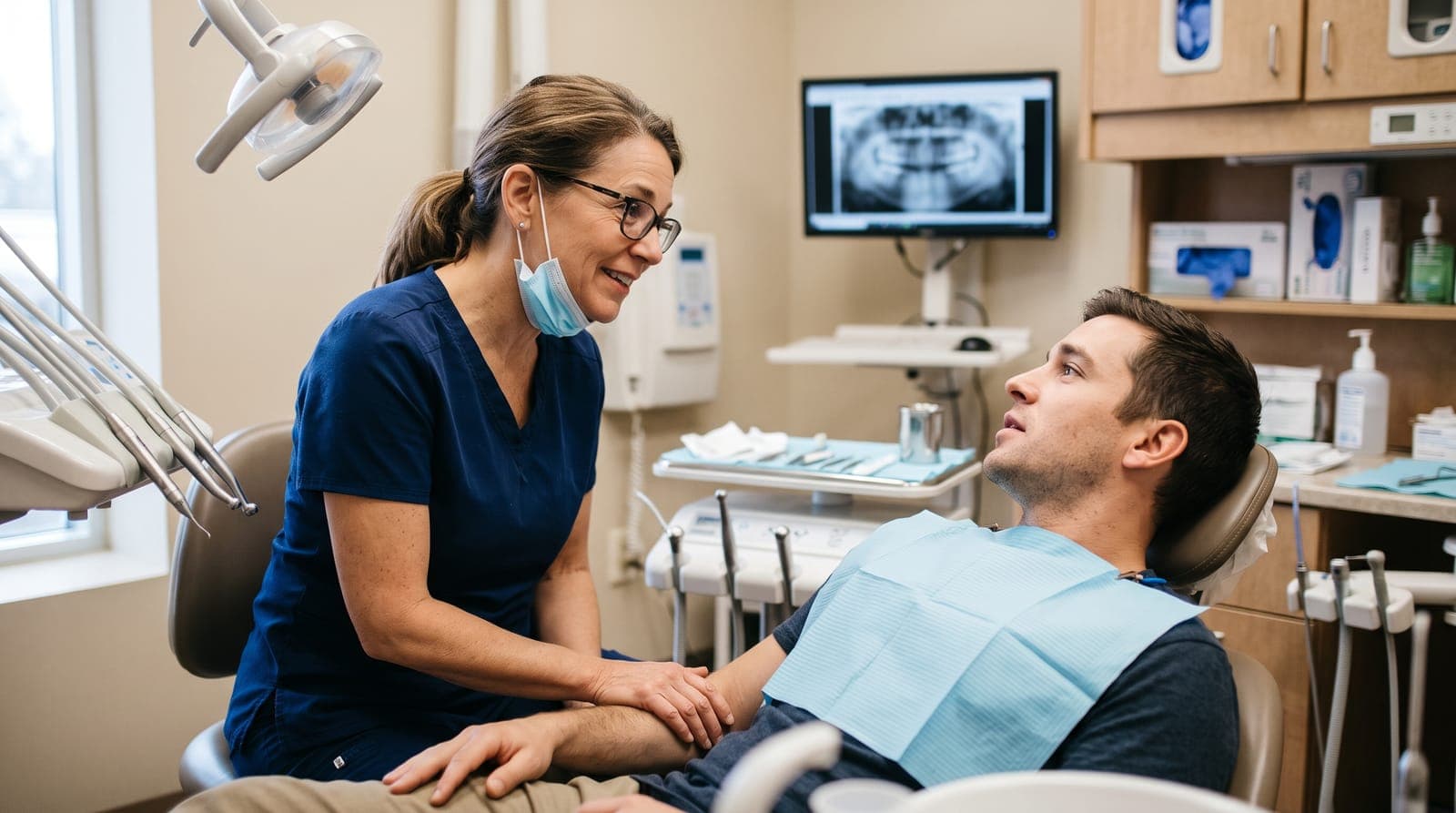
Dental problems can develop unexpectedly, and delaying treatment may allow certain conditions to become more complicated. Severe tooth pain, damaged teeth, and oral infections are important reasons to seek professional Emergency Dental Care. Recognizing urgent symptoms and receiving an appropriate evaluation can help protect your oral health and reduce the risk of avoidable complications.
Professional Emergency Dental Care services focus on identifying the source of dental problems, managing immediate concerns, and recommending treatment based on the severity of each condition.
Why Delaying Dental Treatment Can Be Risky
Some dental conditions progress even when symptoms temporarily improve. Untreated decay may extend deeper into a tooth, while infections can spread to surrounding tissues.
A cracked tooth may also become more difficult to restore if additional damage occurs. Seeking professional attention allows a dentist to assess the condition and determine whether immediate treatment is necessary.
Early evaluation may provide more options for preserving affected teeth.
Recognize Dental Problems That Need Prompt Care
Dental emergencies can involve pain, trauma, infection, or damage to existing restorations.
Warning signs that deserve urgent attention include severe or persistent toothaches, a knocked-out permanent tooth, significant swelling, uncontrolled oral bleeding, and injuries that affect normal chewing or speaking.
Facial swelling accompanied by fever may indicate a serious infection. Difficulty breathing or swallowing requires immediate emergency medical attention rather than waiting for a dental appointment.
Understand How Emergency Dental Treatment Works
An emergency dental visit generally begins with a review of symptoms and a clinical examination. Diagnostic imaging may be recommended when necessary to evaluate the affected tooth and surrounding structures.
Depending on the diagnosis, treatment may involve repairing a damaged tooth, performing root canal therapy, managing an infection, or extracting a tooth that cannot be preserved.
The goal is to address the urgent problem while developing an appropriate plan for any additional dental care.
Protect Your Oral Health After an Emergency
Follow-up care can be important after an urgent dental procedure. Patients may need additional restorative treatment, monitoring, or adjustments to their oral hygiene routine.
Following professional instructions, attending recommended appointments, and reporting worsening symptoms can help support recovery.
Routine dental examinations also provide opportunities to identify developing problems before they require emergency attention.
Frequently Asked Questions
What conditions require Emergency Dental Care?
Emergency Dental Care may be necessary for severe toothaches, knocked-out permanent teeth, significant dental injuries, suspected infections, or uncontrolled oral bleeding. The urgency depends on the symptoms and clinical circumstances.
Can delaying treatment make a dental infection worse?
Yes. Untreated dental infections can spread beyond the affected tooth and surrounding gums. Prompt professional evaluation helps determine the appropriate treatment and reduce the risk of complications.
What should I do if a permanent tooth gets knocked out?
Hold the tooth by its crown, avoid touching the root, and seek emergency dental treatment immediately. If possible, gently reinsert it into its socket without forcing it. Otherwise, keep it moist in milk or an appropriate tooth preservation solution. Never reinsert a knocked-out baby tooth.
Can Emergency Dental Care save a damaged tooth?
In some cases, prompt treatment can help preserve a damaged tooth. The outcome depends on the type of injury, severity of damage, and condition of the surrounding tissues.
How can I reduce the risk of future dental emergencies?
Regular dental examinations, consistent oral hygiene, appropriate protective mouthguards during contact sports, and avoiding chewing hard objects can help reduce certain dental risks.
Seek Professional Care for Urgent Dental Concerns
Taking dental symptoms seriously can help prevent certain problems from becoming more complicated. Professional Emergency Dental Care provides an opportunity to identify urgent conditions, manage discomfort, and protect affected teeth through appropriate treatment.
Explore Emergency Dental Care services to learn about available treatment options and receive professional guidance when unexpected dental problems arise.